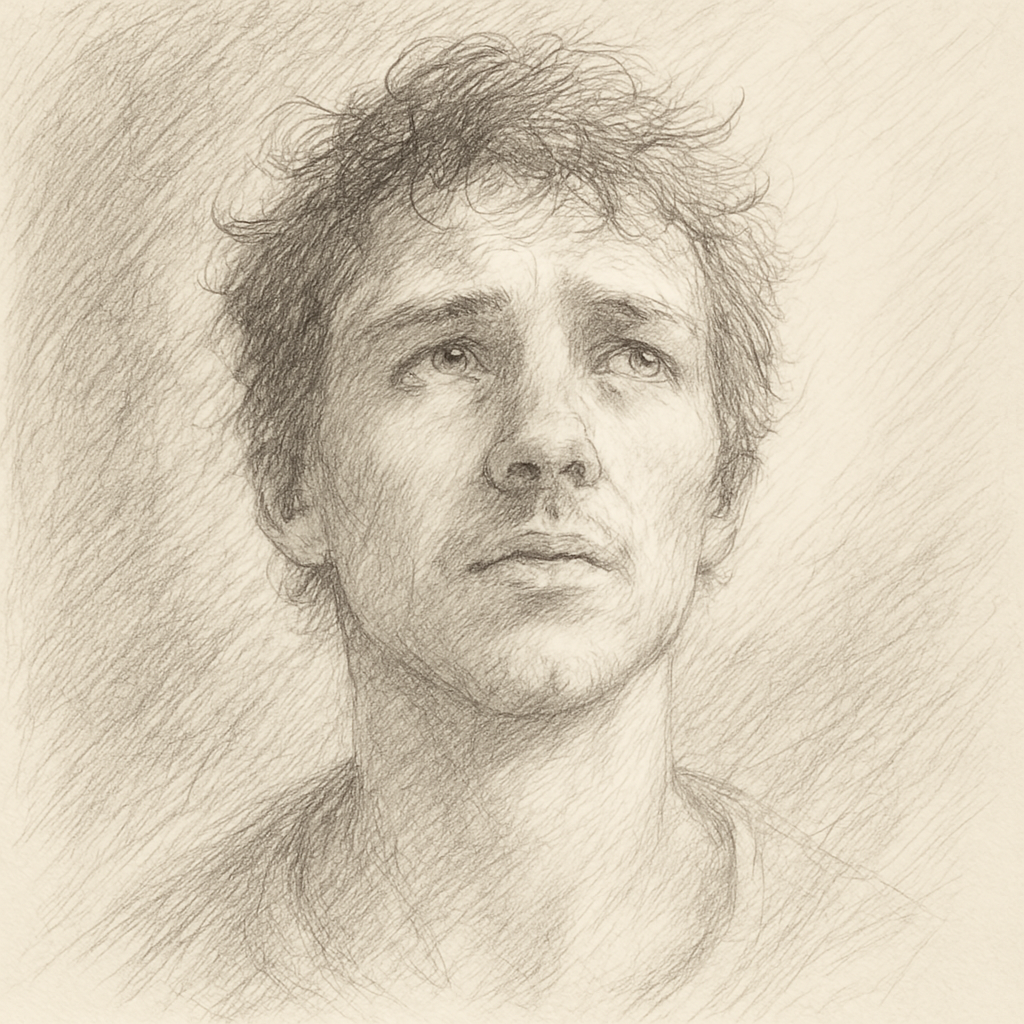

One thing we all love: war. And war we will have.
So much for sweethearts. Oh, the love we could have if… if men were not so demanding. Or women were not so emotional.
Being a man isn’t easy. So I figured being a woman must be.
That was my assumption when I was ten, and my father corrected me.
Every time I open Twitter I am reminded that men or women are greater.
But it’s not just Twitter anymore. It’s family dinner. And family dinner is one of those places that forces deeper thought, because I can’t dismiss it as online bickering.
When I overhear my sisters talking about men, I have to start thinking. And they always say, “You are different. This isn’t about you at all. It’s other men.”
I know how serious they are when they say that, and I know how much we love each other.
When my sisters talk, it is not about me. But when other women are talking, it is about me. I am one of those men.
Today I am going to participate in this great battle of humanity: men vs women.
The Patriarchy
Oh, how disgusting the patriarchy is. How dare I say that as a man?
I support my fellow men. Equally, I support my fellow women.
Remain assured I will stay true to my human nature: blame anyone but myself. And in this enticing way, I will show you the evils of the patriarchy, even if you are a part of it.
It is not your fault. It is someone else’s. I don’t say that sarcastically. I say it sincerely.
Nothing is killing society, and the relationship between men and women, quite like the fucking patriarchy. The old system.
And man or woman, I will make you a promise in this desperate war: I will give you someone else to blame. Because there is one, and I think we will find them.
For the purpose of this article, let’s define the patriarchy as the current hierarchical system that shapes how humans understand each other, organize social dynamics, and navigate life.
Women
You are not too emotional. Except sometimes. But the future outcome of this battle is life and death for you.
Men
You are not evil. Except sometimes. But the stakes are highest for you.
Women and Men
You are not broken. And maybe they aren’t either. Something is wrong. Someone is wrong. All I ask is that you let down your guard for a moment and consider what follows.
Then perhaps you can see how our current system, from religion and politics to marriage and social life, is fighting against the very people it claims to protect.
Before Men, Before Women
Comes you. Man or woman. Your survival. Your future.
Nothing else matters, because without you, there is nothing.
We need each other. But we cannot have each other unless we have ourselves first.
The patriarchy’s morality inside you will fight against this idea of putting yourself first. But your biology knows it is true, and it always has, and always will, act accordingly.
Before morality, before love, before meaning, before identity, there is survival.
The nervous system is older than any culture. Fear is older than any language. And survival is older than belief.
As humans, we all need food, a home, a family, and a partner. But all of that is nothing if we do not have ourselves first.
Men and women do not separate in equality here. Both are subject to mortality and death.
Men and Women’s Asymmetric Survival Needs
The self is trying to survive forward in time.
The nervous system does not ask what is right. It asks what prevents extinction. And because men and women carry different vulnerabilities, the self learns different answers.
For men, survival has historically depended on competence, strength, and usefulness. A man without capacity had no future. So his attention tilts toward construction, not connection.
For women, survival has historically depended on protection, social integration, and emotional attunement. Isolation was danger. So her attention tilts toward connection before construction.
These are not preferences. They are fear patterns. And fear patterns shape life trajectories before identity ever enters the picture.
Men typically move toward capacity before connection.
Women usually move toward connection before capacity.
Not because they want to.
But because their bodies and risks taught them to.
Women’s Survival
Women have always been biologically vulnerable. They carry the reproductive cost of bearing children.
They face physical risk, especially with child dependency.
So the female self organizes around:
- connection
- protection
- emotional attunement
- relationship security
- social integration
Because historically, a woman without connection had no protection.
So emotional bonding becomes primary early.
Not because women are emotional, but because isolation threatened survival.
Men’s Survival
In order for men to survive, they need physical strength. If that is not fully true now, it was for most of existence, and is still largely true today.
Men are usually replaceable. That makes men disposable in survival terms.
So the male self organizes around:
- usefulness
- competence
- strength
- status
- provision
- autonomy
Because historically, a man without competence had no future.
Not a social or hierarchical future. An existential one. Life or death.
So emotional connection becomes secondary until survival stabilizes.
This is not because men do not care emotionally, but because attachment without stability threatens survival.
The Foundation of the Patriarchy’s Morality
The self cannot tolerate seeing itself as afraid.
So we rewrite fear as virtue.
Fear demands moral justification, and those justifications become identity, both personally and socially.
Fear feels weak. Instinct feels animalistic. Survival feels selfish.
Religion and society reframe these necessary fears into moral standards. And at the foundation, they damage the relationship that brought us here: men and women.
This rewriting rarely happens consciously. And it remains unconscious in most people today.
How This Plays Out in Men
Men feel fear of inadequacy, fear of failure, fear of disposability.
But they do not express it as fear.
They reframe it as ambition, discipline, stoicism, and independence.
Men turn fear into virtue. Not falsely, but necessarily.
Distance becomes focus. Avoidance becomes independence. Work becomes meaning. Relational neglect becomes responsibility.
This is not because men are lying, but because the self cannot survive seeing itself as fragile.
So men upgrade fear into moral character.
How This Plays Out in Women
Women feel fear of abandonment, isolation, emotional invisibility, and relational loss.
But they rarely experience it as fear.
Instead, it becomes emotional depth, relational intelligence, intuition, care, and empathy.
Like the men, they have turned their fears into virtue. To me that is not right or wrong, just necessary.
Attachment becomes love. Hyper awareness becomes sensitivity. Need becomes emotional truth. Relationship control becomes emotional responsibility.
This is not manipulation.
It is fear rewritten as moral goodness.
Where Conflict Is Born
Men look at women and see emotionality, need, and dependence, and interpret it as weakness or manipulation.
Women look at men and see distance, ambition, and emotional absence, and interpret it as selfishness or indifference.
But both are just misread fear responses.
Conflict does not start because people are bad. It starts because fear-based virtues collide.
Each side believes: my survival strategy is morally correct.
So men moralize independence. (I am rich, strong) Women moralize connection. (I am empathetic) And each sees the other as wrong, not different.
That is the root of resentment.
Foundations of the Patriarchy
Most of what we call values are survival strategies that learned to speak in moral language.
Every individual may not be equal, but everyone is afraid.
This fear shaped our systems, norms, and hierarchies. Fear turned into virtue built the foundation of the patriarchy.
Religion and politics stabilize fear. In doing so, they harden it into identity and law.
What begins as survival becomes identity. What becomes identity becomes sacred.
Most gender conflict is not ethical or ideological. It’s not even cultural.
It stems from the fear of existentialism.
Religion and Politics
Institutions exist to stabilize fear. But in doing so, they often harden it into identity and law.
Religion and culture don’t just invent these moral stories. They weaponize them.
They take male fear and turn it into authority and dominance.
And they take female fear and turn it into purity and submission.
Religion turns survival strategies into sacred identities.
Religion and politics is not evil by themselves. But religion always sanctifies whatever keeps the group stable. Politics does the exact same thing.
Male independence becomes leadership and male dominance becomes God’s divine order.
Female attachment becomes virtue and female dependence becomes holiness.
Emotional suppression becomes righteousness, and submission becomes sacred.
What started as survival necessity becomes cosmic truth.
This is how instinct becomes destiny. And intuition becomes revelation.
And now in religion and politics, deviation feels sinful instead of human.
Culture and Secular Beliefs
Culture does something different.
Religion says: This is God. Culture says: This is who you are.
So men become providers. Women become nurturers. Independence becomes masculinity. And emotionality becomes femininity.
That is not always wrong. But all the sudden, people are no longer surviving, they are performing survival patterns.
Culture turns our old fear responses into societies identity and morality. This creates social expectation which then becomes personal obligation.
Now not living your fear pattern becomes social failure.
Which makes people feel trapped and turn to rebellion against the culture.
Modern Society and Dating
Today, the men vs women debate extends into economics, social media, modern dating, and delayed adulthood, all of which are affected by technology.
Modern society has done one thing above all: It has stretched the survival gap longer than ever before.
Men take longer to stabilize, while feeling more pressure to make progress. Men face infinite comparison from social media and carry prolonged inadequacy pressure.
Women experience extended relationship uncertainty and face infinite options. This also makes so many women live inside permanent emotional comparison.
So now the biological mismatch isn’t temporary anymore, it’s chronic.
Which is why resentment, confusion, polarization, and dating fatigue is higher than ever before.
Early Life: Girls vs Boys
Young men and women are often off to a bad start with each other.
Young men feel unstable, need to build out their identity, are mostly achievement driven, stressed by the future, and almost always emotionally constrained.
Young women, like men are stability seeking. But unlike men, they are emotionally ready, relationally mature and connection oriented.
So early relationships feel misaligned, disappointing, confusing, and often end in resentment.
This further pushes the divide of men and women, when society sees young relationships failing. It also emboldens the idea of our old religious systems that make it feel like old survival mechanisms are required and even divine.
This is when young people gain more clarity on their political and religious views, and often embolden or change their parents views.
Young people are not walking away from each other. They are walking toward different horizons.
Young men will reach emotional and relational readiness, but not until their future is stable and secure.
Later Stability: 26+
As men get older they stabilize first, soften and emotionally open second, then slow down and become relational third.
Women find stable ground, emotionally self regulate, become more autonomous and have more self confidence.
And suddenly emotional gravity aligns. This explains why men wake up, why women settle. And why deeper intimacy becomes possible later.
This delayed dating cycle is not cynical, but natural for humans who are waking up from the survival systems (patriarchy) that got them here.
Later Life: Reversal
As men begin to get older they fear loss, loneliness, and emotional disconnection. This is the opposite from when they were young and unstable.
Women begin to desire more independence, value autonomy, require space, and protect their individuality.
In some sense, the same misunderstanding returns inverted.
This explains late life divorces, emotional disconnects, silent resentment, and existential loneliness
But I question if either man or women is to blame. This may be more about our structures that all started when we were young.
Fear moves, our identity shifts, and our virtues migrate to new pastures.
Most people meet while their emotional gravity is still misaligned. Everything else flows from that.
So if this is a structural problem stemming from our survival fears, what does awareness change?
What Does Our Future Look Like?
As men and women, when we see survival needs in the opposite gender instead of character flaws, blame collapses.
Resentment towards each other, superiority of men or women is squashed with the reality of our humanity, and moral urgency to follow our old systems is replaced with a simple, yet powerful tool: recognition.
When fear stops writing the story, perception becomes possible. Fear that set up our current system gets replaced with a new perception that makes success and love between men and women possible again.
Awareness doesn’t solve fear. But an enlightened vision of how to navigate it appears.
When I could not see, I was afraid
In survival mode bad decisions I made
But now in peace I strive for love
Clearer vision and my new abode.
The blame I laid on my fellow human
I now blame on fear
My survival was necessary
So looking back I shed a tear
Now every women is so pretty
Every man looks strong to me
The anger I felt is no longer my destiny
Love all I needed was some clarity.
You would also enjoy this article: How Warren Jeffs Controlled All 79 of His Wives
Follow me on X, Facebook, and Instagram for weekly updates!
My latest podcast was with Warren Jeffs 23rd wife, Layla Matson. Check that out right here:
Leave a Reply
You must be logged in to post a comment.